Most Older Adults Don’t Live Much Longer After 80
Most Older Adults Don’t Live Much Longer After 80: Here Are 4 Reasons...

editor
Published on September 21, 2026

Most Older Adults Don’t Live Much Longer After 80: Here Are 4 Reasons
FindingIn-Home Senior Care Services
A headline like “Most Older Adults Don’t Live Much Longer After 80” can sound alarming, even depressing. The image suggests that once people reach their eighties, only a short amount of time remains. While it is true that aging increases health risks, the reality is far more complex than a simple social media caption suggests.
Many people today live well into their late eighties, nineties, and even beyond one hundred years old. However, reaching advanced age does bring challenges that make longevity more difficult. Understanding these challenges can help families, caregivers, and older adults themselves make better choices that improve both lifespan and quality of life.
Let’s explore four major reasons why many people struggle to live much longer after age 80—and what can be done about them.
Introduction: The Reality of Aging
Turning 80 is a remarkable achievement. Throughout human history, relatively few people reached this age. Modern medicine, better nutrition, improved sanitation, and safer living conditions have dramatically increased life expectancy.
Yet aging remains the greatest risk factor for disease and mortality.
The human body is incredibly resilient, but it was never designed to function indefinitely. Over time, organs, tissues, and biological systems gradually lose efficiency. This process doesn’t happen overnight. Instead, it occurs slowly over decades until the cumulative effects become significant.
By age 80, many people have accumulated years of wear and tear on their bodies. The challenges they face are often interconnected, creating a cycle that can be difficult to break.
Here are the four biggest reasons.
1. The Body’s Repair Systems Become Less Effective One of the most important reasons longevity becomes harder after 80 is that the body’s natural repair mechanisms slow down.
When you’re young, your body constantly repairs damaged cells, heals injuries, and replaces worn-out tissues. A scraped knee heals quickly. A broken bone often recovers completely. Infections are usually fought off efficiently.
BuyingEducational Human Anatomy Models
As people age, these repair systems gradually weaken.
Cellular Aging Every day, billions of cells divide and replace older cells. Over time, cells accumulate damage from:
Most Older Adults Don’t Live Much Longer After 80
By editor • Published in Healthy
Ingredients5 items
- 2 cups fresh leafy greens (baby spinach, kale, or wild arugula)
- 1/2 cup antioxidant-rich mixed berries
- 1 tbsp cold-pressed extra virgin olive oil or flaxseed oil
- 1/4 cup raw walnuts, almonds, or pumpkin seeds
- 1 squeeze fresh organic lemon juice
Step-by-Step Instructions
- 1
Hydrate and Cleanse
Begin with a glass of pure filtered water to activate metabolism and prepare the digestive tract.
- 2
Assemble Nutrient-Dense Whole Foods
Combine crisp greens, healthy fats, and vibrant antioxidants to create a balanced, nourishing plate.
- 3
Incorporate Daily Consistency
Practice this routine daily for optimal sustained energy, cellular vitality, and balanced well-being.
You Might Also Like
 Healthy
Velvety Roasted Butternut Squash Soup with Crispy Sage and Nutmeg
A silky, warming autumn soup made from caramelized roasted butternut squash, sweet coconut cream, warm nutmeg, and frizzled sage leaves.

 Healthy
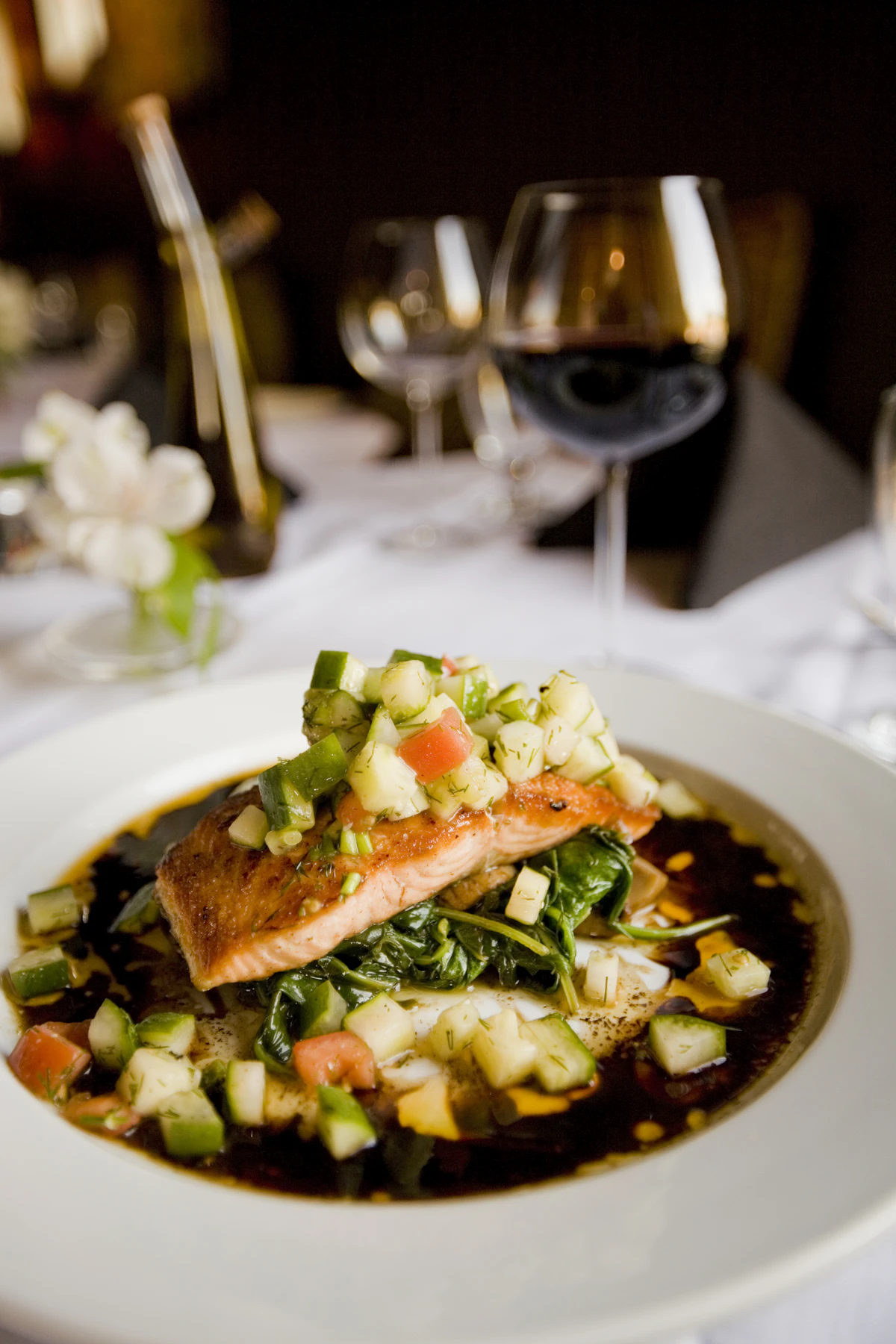
Mediterranean Lemon Herb Grilled Salmon with Homemade Tzatziki
Tender, flaky grilled wild salmon fillets seasoned with oregano, garlic, and lemon, served with a cool cucumber dill tzatziki.
 Healthy
Pan-Seared Wild Salmon with Garlic Dill Butter & Asparagus
Sustainably caught salmon fillets with crackling crispy skin, basted in brown butter, garlic, capers, and garden-fresh dill.
