People with this blood type are more likely to live to 100 years old…
Blood type and aging: what science is beginning to discover For years, aging was explained almost exclusively by genetics , lifestyle , and daily habits . However, recently a hypot...

editor
Published on September 14, 2026

Blood type and aging: what science is beginning to discover For years, aging was explained almost exclusively by genetics , lifestyle , and daily habits . However, recently a hypothesis as striking as it is unexpected has begun to gain traction: blood type may indirectly influence how the body ages. Although it is still a developing field, several scientific studies suggest that blood type could be related to certain biological processes linked to cellular deterioration.
Blood type , primarily known for its importance in transfusions and medical emergencies, defines specific characteristics of cells and the immune system. Recent research indicates that these differences not only affect blood compatibility but also the inflammatory response , circulation , oxidative stress , and predisposition to certain chronic diseases—all factors closely associated with aging.
Some preliminary studies have observed that people with blood type O appear to have certain long-term health advantages . This group, the most common worldwide, has been linked to a lower risk of cardiovascular diseases , such as heart attacks and strokes. It has also been associated with a lower incidence of some types of cancer and with a clotting system that promotes better blood circulation. More efficient tissue oxygenation could contribute to slower aging and better preservation of vital organs.
In contrast, those belonging to blood groups A , B , or AB may face certain additional challenges as they age. Some studies have found a greater tendency toward chronic inflammation in these groups, a silent process that accelerates the body’s deterioration and is linked to age-related diseases. Links have also been observed with a higher likelihood of developing hypertension , metabolic problems, and, in some cases, neurological disorders. This does not imply an inevitable outcome, but it does suggest the importance of increased preventative care.
One of the points of greatest interest among scientists is the relationship between blood type and oxidative stress , a phenomenon that occurs when free radicals overwhelm the body’s defense mechanisms. This process damages cells and accelerates aging. According to some research, certain blood types exhibit greater resistance to this type of cellular damage, which could slow the natural wear and tear of tissues. In addition, the behavior of the immune system varies according to blood type and influences the body’s response to infections and chronic diseases
People with this blood type are more likely to live to 100 years old…
By editor • Published in Healthy
Ingredients5 items
- 2 cups fresh leafy greens (baby spinach, kale, or wild arugula)
- 1/2 cup antioxidant-rich mixed berries
- 1 tbsp cold-pressed extra virgin olive oil or flaxseed oil
- 1/4 cup raw walnuts, almonds, or pumpkin seeds
- 1 squeeze fresh organic lemon juice
Step-by-Step Instructions
- 1
Hydrate and Cleanse
Begin with a glass of pure filtered water to activate metabolism and prepare the digestive tract.
- 2
Assemble Nutrient-Dense Whole Foods
Combine crisp greens, healthy fats, and vibrant antioxidants to create a balanced, nourishing plate.
- 3
Incorporate Daily Consistency
Practice this routine daily for optimal sustained energy, cellular vitality, and balanced well-being.
You Might Also Like
 Healthy
Velvety Roasted Butternut Squash Soup with Crispy Sage and Nutmeg
A silky, warming autumn soup made from caramelized roasted butternut squash, sweet coconut cream, warm nutmeg, and frizzled sage leaves.

 Healthy
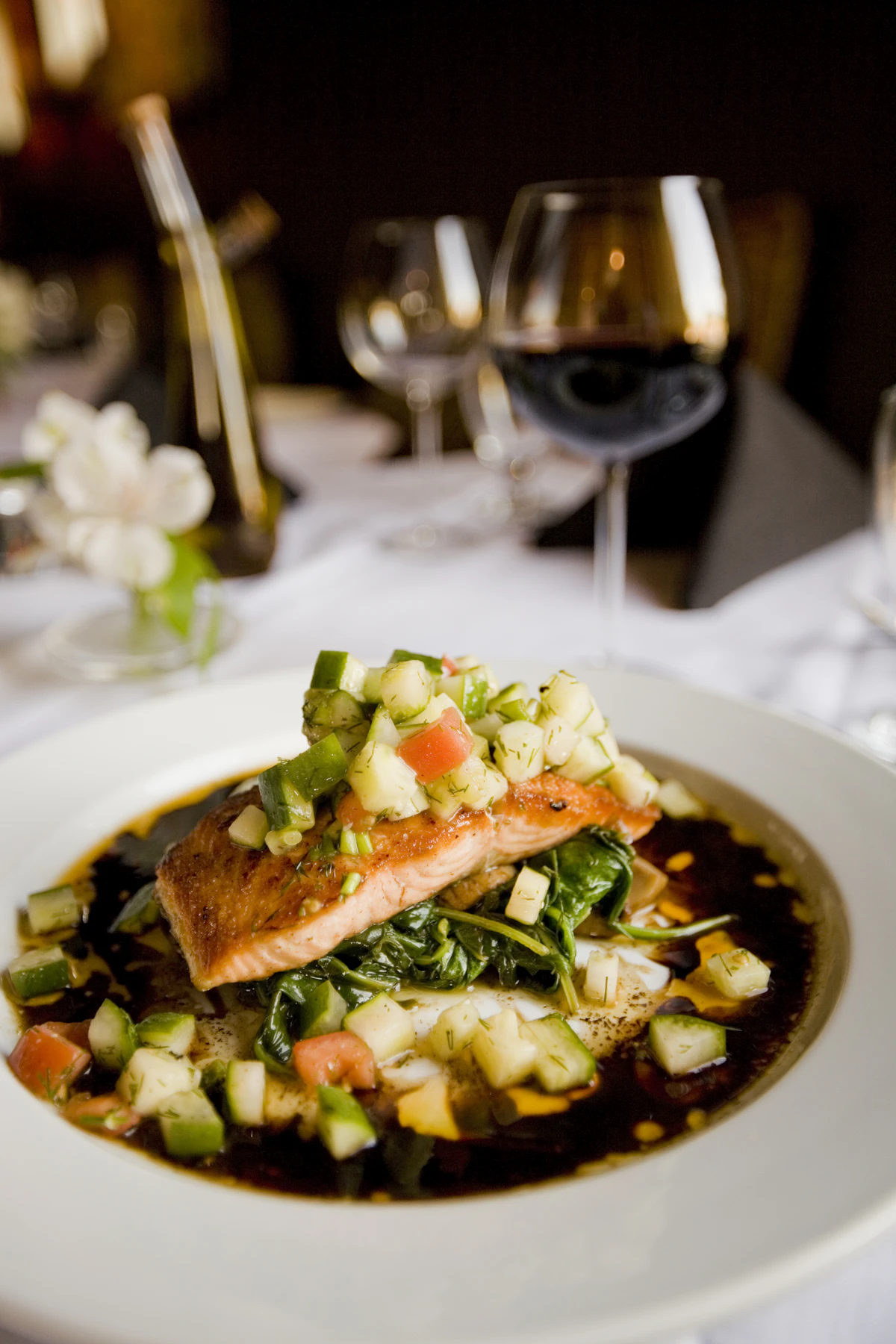
Mediterranean Lemon Herb Grilled Salmon with Homemade Tzatziki
Tender, flaky grilled wild salmon fillets seasoned with oregano, garlic, and lemon, served with a cool cucumber dill tzatziki.
 Healthy
Pan-Seared Wild Salmon with Garlic Dill Butter & Asparagus
Sustainably caught salmon fillets with crackling crispy skin, basted in brown butter, garlic, capers, and garden-fresh dill.
