The brain doctor: I’m shocked — this shower habit increases the risk of a stroke during the night | Health tips for seniors
Many older adults look forward to a relaxing shower at the end of the day, but afterward feel dizzy, weak, or unusually tired. What seems like a simple daily routine can sometimes ...

editor
Published on September 14, 2026

Many older adults look forward to a relaxing shower at the end of the day, but afterward feel dizzy, weak, or unusually tired. What seems like a simple daily routine can sometimes put extra strain on the heart and blood vessels, especially after age 60. Changes in body temperature, fluctuations in blood pressure, and even how you hold yourself or move in the shower can subtly create fatigue that accumulates over time.
The good news is that small, smart adjustments to your shower routine can help you stay safer and feel better. In this article, we’ll explore some shower habits worth revisiting for better senior health , drawing on what experts are observing regarding circulation and everyday risks. Keep reading for practical tips that could really improve how you feel tomorrow morning.
🚿 Why are showering habits more important among seniors?
As we age, blood vessels become less flexible and the body’s ability to adapt quickly to temperature changes slows. A hot shower may feel wonderful, but sudden temperature changes or prolonged exposure can affect blood pressure and circulation.
Studies and clinical observations indicate that strokes and similar events sometimes occur during or just after activities in the bathroom—not because showers directly cause these problems, but because the environment combines several risk factors in vulnerable individuals. These include dehydration, rapid changes in blood pressure, and slips or falls.
Understanding these connections allows you to make informed choices without fear. The goal is not to avoid showers, but to adapt them more to your body Continue reading by clicking the ( NEXT 》 ) button below!
🌡️ A shower habit worth paying attention to: taking very hot showers right before bed
A habit many seniors enjoy is taking a long, hot shower or bath just before bed. While this can relax sore muscles, the rapid drop in blood pressure that follows can cause a feeling of unsteadiness when getting out of the shower or during the night.
Here’s what happens in the body (in simple terms): Hot water dilates the blood vessels near the skin This can temporarily lower blood pressure In a person already suffering from hypertension or other cardiovascular problems, this change may be more pronounced
But that’s not all… and that’s often what surprises readers the most.
⚠️ Other common shower habits to reconsider
Seniors can benefit from special attention to these habits:
Going directly from very hot water to a cold room (or vice versa) can put stress on the cardiovascular system.
🍽️ Showering right after a heavy meal
Blood flow is already mobilized for digestion, and showering can redistribute it elsewhere, sometimes causing dizziness.
⏳ Standing for too long in a poorly ventilated bathroom
The buildup of steam and heat can lead to dehydration or dizziness.
🚿 Wet your head first with very cold water
Some experts indicate that this can cause a rapid rise in blood pressure in some people, although the scientific evidence varies.
📊 Quick comparison of shower habits HABIT POSSIBLE EFFECT IN SENIORS A SAFER ALTERNATIVE Very hot shower before bed Low blood pressure, risk of dehydration Warm water, finish 1–2 hours before bedtime Shower right after eating Dizziness related to traffic changes Wait 30–60 minutes after the meal Long, very steamy showers Dehydration, overheating Limit to 10–15 minutes with good ventilation A brutal cold shower in the morning Possible rapid rise in blood pressure Gradual transition from hot to cool
These adjustments do not require major lifestyle changes — just a few more mindful habits.
✅ Practical tips for safer showers 🌡️ Check the water temperature
Use lukewarm water (close to body temperature or slightly warmer), not boiling water. Test it with your wrist or elbow.
Wet your feet and legs first before moving on to your upper body and head. This allows your body time to adapt gradually.
Ten to fifteen minutes is usually enough. You can use a timer if needed.
Drink a glass of water before and after showering, especially in dry climates or air-conditioned rooms.
Use non-slip mats, install grab bars if necessary, and ensure good ventilation.
Try showering earlier in the evening rather than right before bed. This allows your body time to naturally return to its normal temperature.
If you feel dizzy, sit on a shower seat or get out slowly. Never ignore sudden weakness or unusual confusion.
❤️ Beyond the shower: supporting heart and brain health
Showering habits are only one part of the whole picture. Combine these changes with other practices that are beneficial for seniors:
Regularly monitor blood pressure Stay active with gentle walks or chair exercises
Eat a balanced diet with fruits, vegetables and healthy fats. Manage stress with breathing exercises or enjoyable leisure activities.
Research shows that regular, moderate habits often support circulation better and reduce overall risks than any single isolated change
The brain doctor: I’m shocked — this shower habit increases the risk of a stroke during the night | Health tips for seniors
By editor • Published in Healthy
Ingredients5 items
- 2 cups fresh leafy greens (baby spinach, kale, or wild arugula)
- 1/2 cup antioxidant-rich mixed berries
- 1 tbsp cold-pressed extra virgin olive oil or flaxseed oil
- 1/4 cup raw walnuts, almonds, or pumpkin seeds
- 1 squeeze fresh organic lemon juice
Step-by-Step Instructions
- 1
Hydrate and Cleanse
Begin with a glass of pure filtered water to activate metabolism and prepare the digestive tract.
- 2
Assemble Nutrient-Dense Whole Foods
Combine crisp greens, healthy fats, and vibrant antioxidants to create a balanced, nourishing plate.
- 3
Incorporate Daily Consistency
Practice this routine daily for optimal sustained energy, cellular vitality, and balanced well-being.
You Might Also Like
 Healthy
Velvety Roasted Butternut Squash Soup with Crispy Sage and Nutmeg
A silky, warming autumn soup made from caramelized roasted butternut squash, sweet coconut cream, warm nutmeg, and frizzled sage leaves.

 Healthy
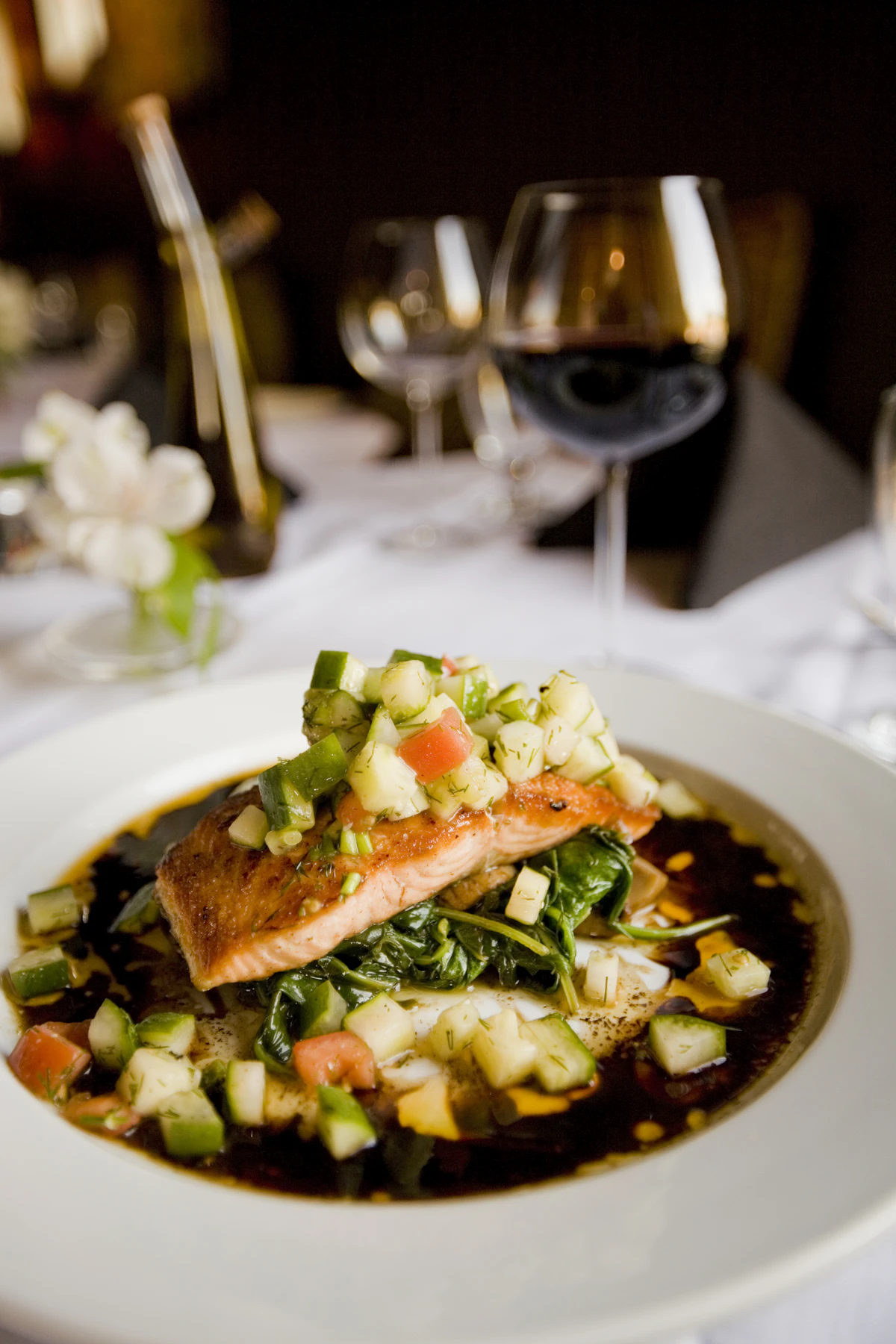
Mediterranean Lemon Herb Grilled Salmon with Homemade Tzatziki
Tender, flaky grilled wild salmon fillets seasoned with oregano, garlic, and lemon, served with a cool cucumber dill tzatziki.
 Healthy
Pan-Seared Wild Salmon with Garlic Dill Butter & Asparagus
Sustainably caught salmon fillets with crackling crispy skin, basted in brown butter, garlic, capers, and garden-fresh dill.
