What Happens to the Body After Gallbladder Removal? 3 Diseases That May Follow – Avoid Surgery If Possible
The gallbladder, a small organ located beneath the liver, is closely connected to it via the bile duct. Its main function is to store bile, acting as a diligent guardian that silen...

editor
Published on September 8, 2026

The gallbladder, a small organ located beneath the liver, is closely connected to it via the bile duct. Its main function is to store bile, acting as a diligent guardian that silently performs its vital role in the body.
When we enjoy delicious food, the gallbladder contracts, sending bile into the duodenum to help break down fats. Bile also has antibacterial properties, functioning as an invisible health defense force that maintains digestive system health.
When the gallbladder encounters problems, it is akin to turmoil in a peaceful home, leading to symptoms such as abdominal pain, nausea, and vomiting. Therefore, we should cherish and protect our gallbladder health.
Should the Gallbladder Be Removed If Gallstones Are Found? The necessity of gallbladder removal depends on the type of gallstones and the severity of symptoms. If the stones are small and cause no significant discomfort, doctors typically recommend conservative treatment with regular monitoring.
How Does the Body Change After Gallbladder Removal?
1. Reduced Fat Digestion Ability One of the gallbladder’s primary functions is to store bile, which contains cholesterol and bile salts that help digest fats. Without the gallbladder, bile storage and release are affected, making fat digestion and absorption more challenging.
What Happens to the Body After Gallbladder Removal? 3 Diseases That May Follow – Avoid Surgery If Possible
By editor • Published in Healthy
Ingredients5 items
- 2 cups fresh leafy greens (baby spinach, kale, or wild arugula)
- 1/2 cup antioxidant-rich mixed berries
- 1 tbsp cold-pressed extra virgin olive oil or flaxseed oil
- 1/4 cup raw walnuts, almonds, or pumpkin seeds
- 1 squeeze fresh organic lemon juice
Step-by-Step Instructions
- 1
Hydrate and Cleanse
Begin with a glass of pure filtered water to activate metabolism and prepare the digestive tract.
- 2
Assemble Nutrient-Dense Whole Foods
Combine crisp greens, healthy fats, and vibrant antioxidants to create a balanced, nourishing plate.
- 3
Incorporate Daily Consistency
Practice this routine daily for optimal sustained energy, cellular vitality, and balanced well-being.
You Might Also Like
 Healthy
Velvety Roasted Butternut Squash Soup with Crispy Sage and Nutmeg
A silky, warming autumn soup made from caramelized roasted butternut squash, sweet coconut cream, warm nutmeg, and frizzled sage leaves.

 Healthy
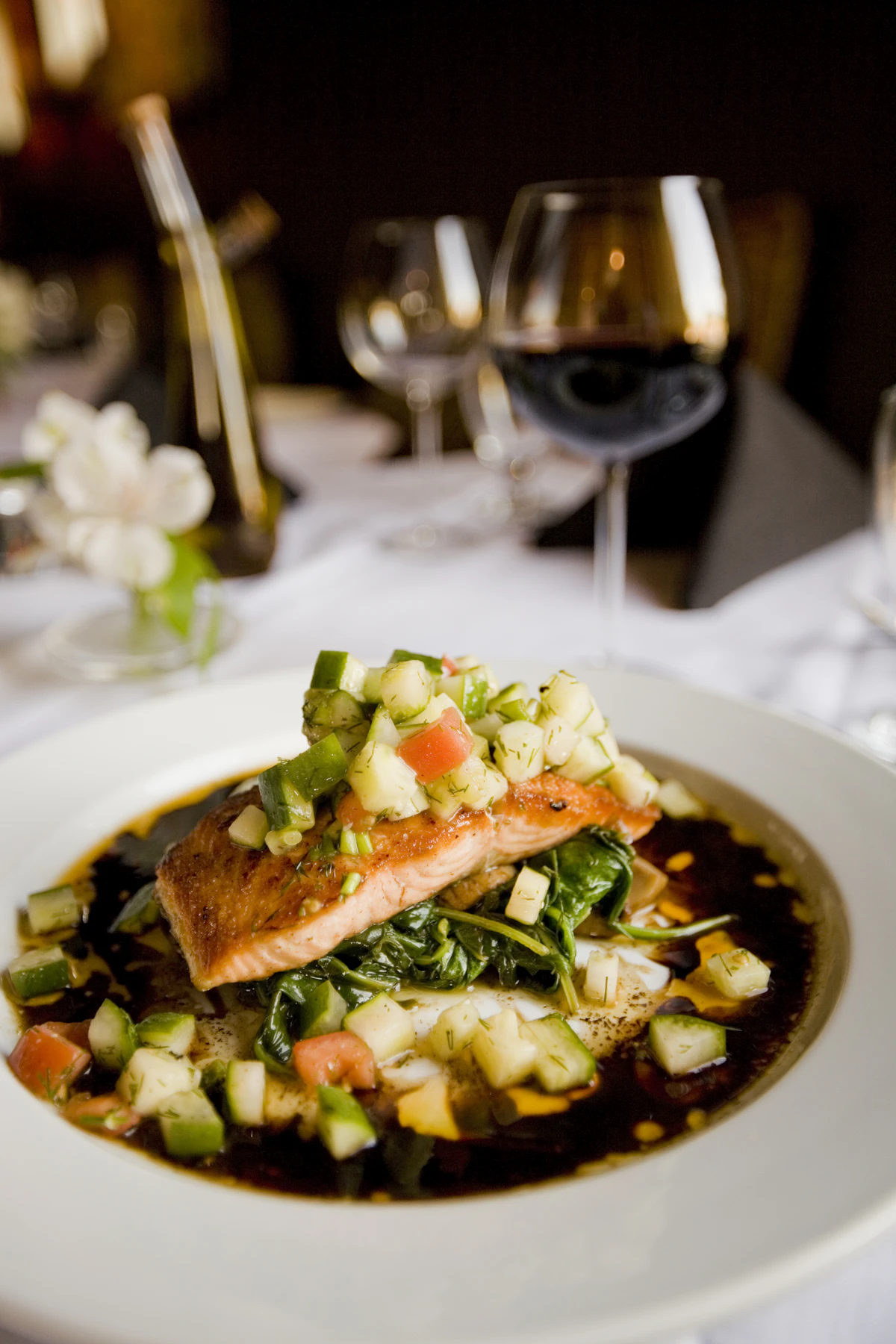
Mediterranean Lemon Herb Grilled Salmon with Homemade Tzatziki
Tender, flaky grilled wild salmon fillets seasoned with oregano, garlic, and lemon, served with a cool cucumber dill tzatziki.
 Healthy
Pan-Seared Wild Salmon with Garlic Dill Butter & Asparagus
Sustainably caught salmon fillets with crackling crispy skin, basted in brown butter, garlic, capers, and garden-fresh dill.
